
Every Voice Matters
Recurrent respiratory papillomatosis is a rare HPV-related disease affecting and threatening the lives of children and adults. There is no cure. Through advocacy and education, we’re raising our voices for a brighter future.

RRP Toolkit
Learn about RRP,
treatment options, navigating
insurance, and more.

Find a Provider
Find the nearest doctor
or advanced practice provider
treating RRP.

Miami Gathering
Register now for the
upcoming patient gathering
in Miami, FL.
What is Recurrent Respiratory Papillomatosis?

Recurrent respiratory papillomatosis (RRP) is a condition caused by HPV that produces noncancerous growths in the airway, most often on the vocal cords. These growths can affect breathing, voice, and quality of life — and because RRP is rare, many patients spend years searching for answers before finding the right care.
RRPF exists to change that. We connect patients and caregivers with trusted resources, experienced physicians, and a community that understands what you're going through.
27K+
People Living with RRP
71.9%
Recurrence Rate Among Children
3.1
Average Number of Annual Surgeries
1
FDA-Approved Immunotherapy

Everything You Need, In One Place
Whether you were diagnosed last week or have been managing RRP for years, the RRPF Patient & Caregiver Toolkit was built for you. It covers what to expect from treatment, how to find experienced physicians, tips for talking to your care team, and resources to help you advocate for yourself at every stage.
You shouldn't have to search the internet and hope for the best. Start here.

Find a Doctor That Works for You
RRP is rare, and not every physician has experience treating it. Our provider directory helps you locate specialists who understand the condition — including those who prescribe the newest available treatments. Enter your location to find experienced physicians near you.
Watch Eden’s Story
Diagnosed with juvenile-onset recurrent respiratory papillomatosis, Eden’s parents faced a reality they never expected and learned about a rare disease they didn’t know existed.
What’s Happening in the RRP Community


Frequently Asked Questions about RRP
-
The RRPF maintains a database of RRP clinicians with experience treating this disease in both adult and pediatric populations.
-
An RRP expert will be aware of the most recent methods, research, and adjunctive therapies used for the disease. The RRP expert will also be aware of potential complications to watch for. Most importantly, an RRP expert will strive to achieve the best possible outcome for the patient, both surgically and in voice preservation.
-
At diagnosis, purchase a three-ring binder and add dividers with pockets. Always request records of clinic visits, hospital/OR visits, anesthesia records, photographs, radiology images and reports, and pathology reports. This is very helpful as you learn to manage the disease and advocate for yourself or a loved one. It will also be extremely valuable to those diagnosed as children when they transition to college or adult care. As a patient, you have the right to request all medical records.
-
The RRPF advocates for RRP patients to consider counseling as early as diagnosis. The disease is a lot to manage, and even children struggle with the mental demands of this chronic illness, which may subject patients to a lifetime of surgical procedures.
-
Within the RRP community, we have warriors who are doctors, lawyers, teachers, musicians, law enforcement officers, counselors, senior-level executives, and members of the military. In the US, the Americans with Disabilities Act offers some protection, and our pediatric patients find that having their school district place an IEP (Individualized Education Program) for their child helps manage absences for clinic and surgery days, as well as any makeup work. You/your child can and will still have a beautiful and fulfilled life.
-
No, you cannot pass RRP to your unborn baby. RRP affects the respiratory system. If you need an RRP debulking procedure during your pregnancy, the anesthesia team will use medications that are safer for the baby, and many patients have a gynecologist in the OR to monitor your baby as well.
-
Many RRP patients have found community and support through our private online support group. The group often refers to one another as “family.” Having a community that understands what you are going through can be so helpful and comforting.
-
The RRPF is hopeful that we will have a cure in the near future. Until then, RRP is often a disease with a very unpredictable course. Some patients enter remission and only need periodic check-ups. Some patients enter multiple remission periods over the course of their lifetime. We do have some patients who report no remission over their lifetime. Research is working to learn why patients respond in so many different ways and whether there are ways to induce remission using a vaccine or other type of therapy.
-
This issue was addressed by an RRP pioneer clinician and researcher, Dr. Haskins Kashima (and Dr. Bridget Leventhal) in a 1993 review article on RRP. They state, “…There is no documented case of RRP occurring among siblings, marital partners or family members who are constantly exposed to secretions from papillomatosis patients.”
-
Juvenile Onset RRP (JORRP) is caused by the HPV virus. Typically, JORRP is caused by HPV 6 and/or HPV 11. Current data show that HPV 11 is more closely associated with an aggressive disease course. JORRP is diagnosed by surgical excision and biopsy. It is believed that a mother infected with HPV passes the virus to her unborn child, either in utero or during delivery. Cesarean section is not a preventive option, as we have patients with JORRP who were delivered by cesarean section.
-
JORRP is not contagious to other children, nor can a sibling be infected through normal family interactions.
-
Yes, it is safe to let a JORRP child play with other children. It is not contagious.
-
We encourage all parents to ask their school to put an IEP (Individualized Education Program; US terminology) in place for their child. This will be helpful for days missed due to JORRP, communication issues, as well as accommodations in physical education courses.
-
Currently, the only approved treatment is repeated surgical interventions. Some patients have found success by using adjunct therapies as well.
-
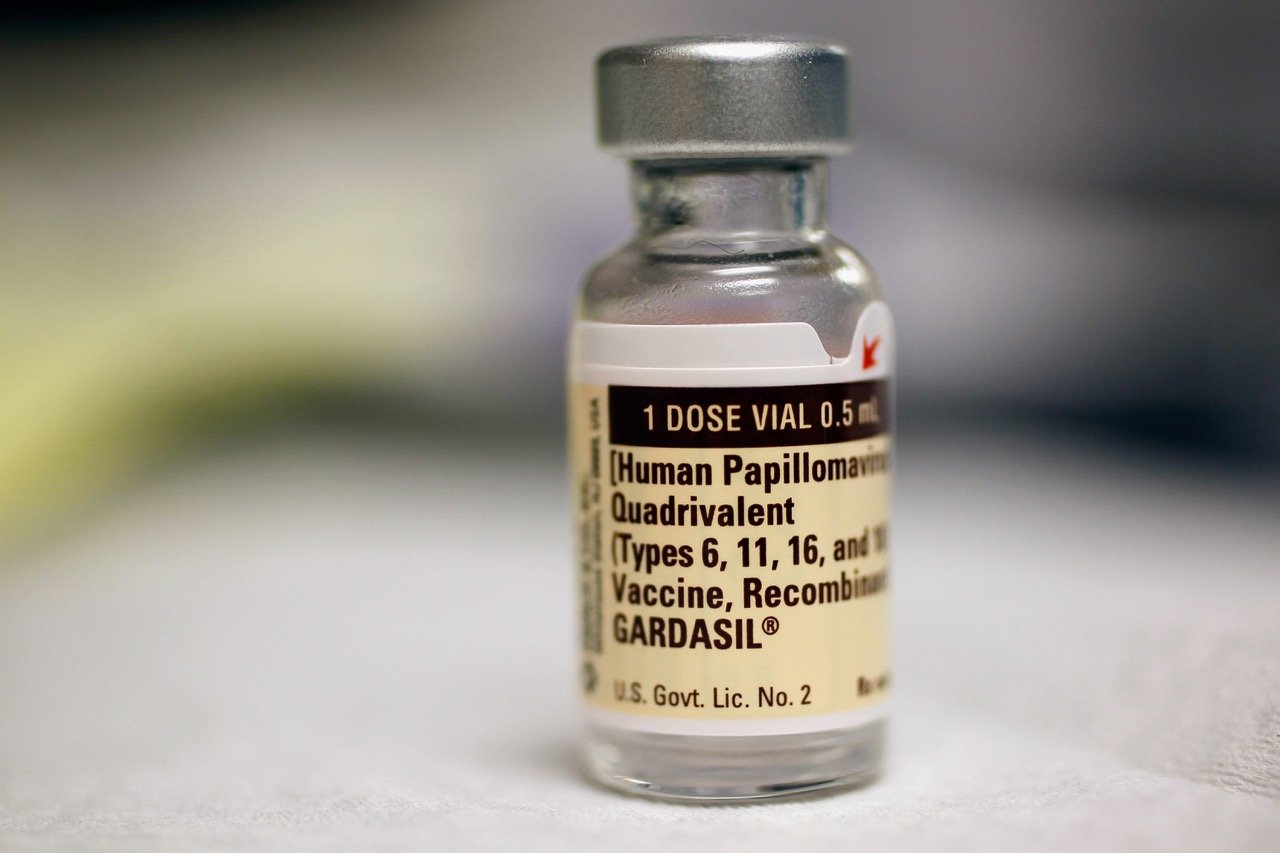
Yes! The HPV vaccine protects against nine types of HPV, including those responsible for 90% of cervical cancer cases. The vaccine will elicit a robust immune response in your JORRP child, protecting them from the other HPV types. Some data also indicate that some JORRP children have had longer surgery intervals after completing the HPV vaccine series. The AAO and the BLA both encourage HPV vaccination for all JORRP children.
Help Us Reach the Next Patient Who Needs Us

For many families, RRPF is the first place that finally makes sense of an RRP diagnosis. Your support funds the resources, research, and community that patients rely on — and helps us make sure no one faces this disease without guidance.