Gardasil as Adjunctive Therapy for Juvenile Recurrent Respiratory Papillomatosis: Evidence from South Africa
Published in The Journal of the Colleges of Medicine of South Africa (January 1, 2024)
Authors: Shavina Frank, Jessica K. McGuire, Fiona Kabagenyi, Vincent Pretorius, Shazia Peer
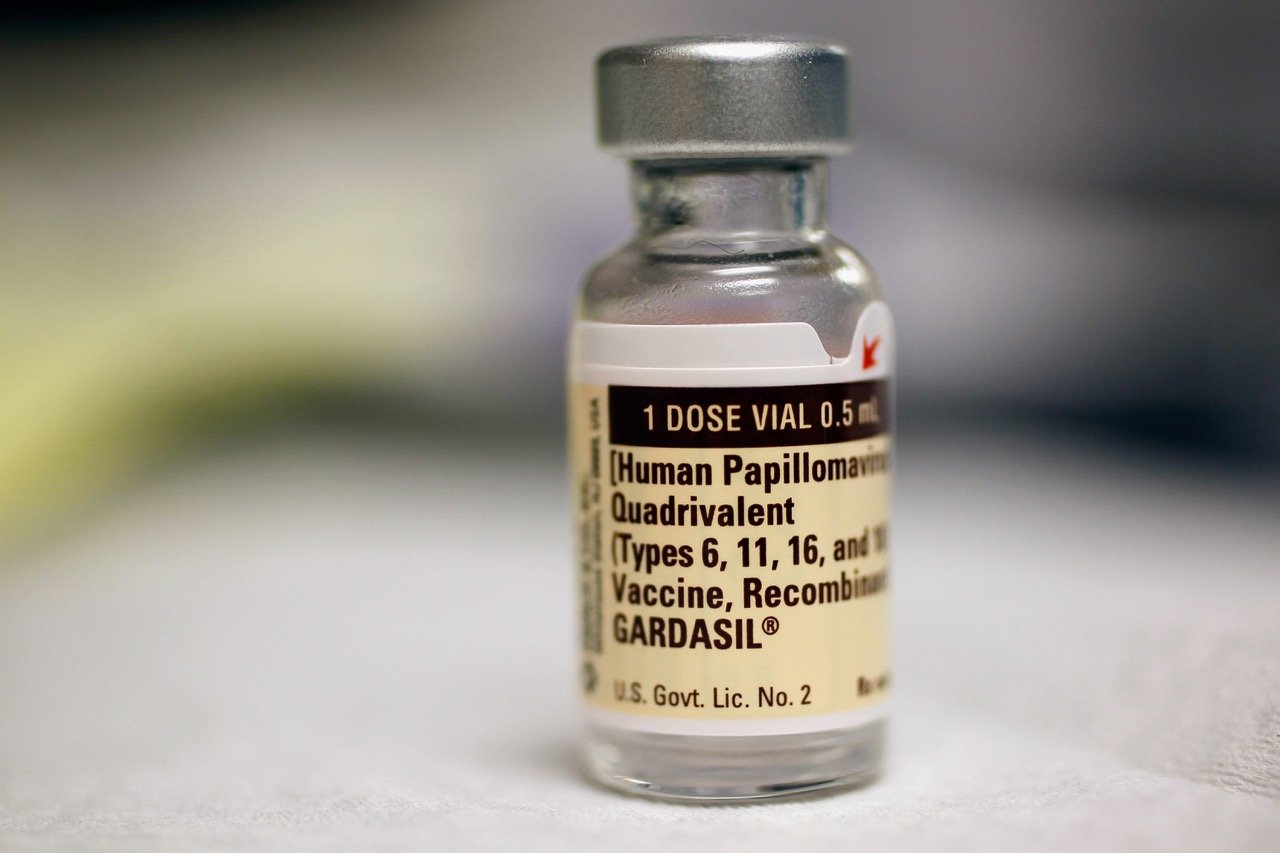
For decades, recurrent respiratory papillomatosis (RRP) has posed significant challenges for patients, families, and healthcare providers worldwide. Characterized by the growth of benign but potentially obstructive airway papillomas, RRP often requires repeated surgical interventions and can profoundly affect quality of life.
A recently published study from South Africa adds to the growing evidence suggesting that Gardasil®, a vaccine originally developed to prevent infection from specific strains of human papillomavirus (HPV), may also be valuable as an adjunctive therapy for patients already living with juvenile-onset recurrent respiratory papillomatosis (JoRRP).
This study is particularly notable because it represents the first published evidence from Southern Africa evaluating Gardasil® as part of the treatment strategy for children with established RRP.
Study Abstract
Juvenile onset recurrent respiratory papillomatosis (JoRRP) is an incurable condition caused by human papilloma virus (HPV) types 6 and 11, often requiring repeated surgeries and in severe cases, tracheostomy. This imposes a significant socioeconomic burden on patients and families. Gardasil®, a proven prophylactic HPV vaccine, is emerging as a potential adjuvant therapy.
We studied its response on JoRRP patients at our center. We conducted a retrospective review at Red Cross War Memorial Children's Hospital from January 2015 to June 2022 on histologically confirmed JoRRP cases. Age at diagnosis, baseline and post-dosing Derkay-Coltrera (DC) scores (disease severity measure), inter-surgical intervals and tracheostomy, were collected. Twenty-five of 30 confirmed cases were included. Average age at diagnosis was 60 months (about 5 years old), with HPV Type 6 in 40% and Type 11 in 48% of patients. All patients received at least one Gardasil® dose, 84% received a second dose and 64% a third dose. Total population DC score decreased from an average of 17 (range: 4-34) pre-first dose to 8 (range: 0-16) after three doses, indicating a 50% reduction. Surgical intervals modestly increased. More significant improvements were seen in patients with aggressive forms of the disease.
This is the first study in Southern Africa highlighting Gardasil® as adjuvant therapy. Despite our limited sample size, new cases observed a linear reduction in DC scores and tracheostomy rates. This suggests that Gardasil® as adjuvant therapy has the potential to reduce disease severity and extend surgical intervals.
Physician-Reviewed Lay Summary
This case series (specifically a retrospective review) evaluated the effectiveness of using the Gardasil vaccine as an add-on treatment for 25 children in South Africa. The methods involved giving patients the multi-dose vaccine alongside their regular surgical care and tracking changes in disease severity (using the DC score) and the time between operations. The findings revealed that after completing three doses of the vaccine, patients experienced a 50% reduction in disease severity. This improvement was most significant for children facing the most aggressive forms of the condition. Additionally, the time between surgeries increased, and there was a reduction in the need for tracheostomies.
The researchers conclude that while the study was small, the results suggest that Gardasil can effectively lower the overall burden of the disease and provide tangible clinical benefits. This is a milestone study as it provides the first evidence from Southern Africa that prophylactic vaccination can be a valuable tool in managing already-established pediatric cases.
Understanding the Importance of This Study
Juvenile-onset recurrent respiratory papillomatosis is a rare disease caused primarily by HPV types 6 and 11. While the growths associated with RRP are benign, they can recur repeatedly and may obstruct the airway, affect voice quality, and require numerous surgeries throughout childhood.
Many children with severe disease undergo repeated procedures under general anesthesia. In the most challenging cases, a tracheostomy may be necessary to maintain a safe airway.
Because there is currently no universally accepted cure for RRP, researchers continue to investigate therapies that can reduce disease severity, decrease the frequency of surgeries, and improve long-term outcomes.
What Is Adjunctive Therapy?
An adjunctive therapy is a treatment used in addition to standard care, rather than replacing it.
For most patients with RRP, surgery remains the primary treatment. Adjunctive therapies are intended to:
Reduce the growth of papillomas
Increase the time between surgeries
Improve quality of life
Reduce complications
Potentially slow disease progression
Gardasil® was originally developed as a preventive HPV vaccine. However, a growing number of studies have examined whether vaccination may provide benefits even after a patient has already developed RRP.
Key Findings from the South African Study
The results reported by Frank and colleagues are encouraging.
1. Disease Severity Was Reduced by 50%
Researchers used the Derkay-Coltrera (DC) score, a commonly used measure of RRP disease burden.
Before vaccination, the average DC score was:
17 (range 4-34)
After three doses of Gardasil®, the average score fell to:
8 (range 0-16)
This represents approximately a 50% reduction in disease severity.
For families coping with frequent procedures and ongoing disease recurrence, this degree of improvement is clinically meaningful.
2. Children with More Aggressive Disease Saw Greater Benefits
One of the most noteworthy findings was that children with the most severe disease appeared to experience the greatest improvement.
This observation suggests that Gardasil® may be particularly valuable for patients who face:
Frequent surgeries
Extensive papilloma growth
Rapid disease recurrence
Increased risk of airway complications
Additional research will be necessary to determine which patients are most likely to benefit.
3. Surgical Intervals Increased
Although the increase was described as modest, researchers observed longer intervals between surgical procedures.
For families living with RRP, even a modest extension between surgeries can be significant.
Longer surgical intervals may mean:
Fewer hospital visits
Reduced exposure to anesthesia
Less disruption to school and family life
Lower healthcare costs
Improved overall quality of life
4. Tracheostomy Rates Decreased
The study also reported reductions in tracheostomy rates among newly diagnosed patients.
Because tracheostomy is generally reserved for severe airway disease, any reduction in its use is an encouraging finding.
Why This Research Matters Globally
One of the most important aspects of this study is its geographic context.
Until recently, much of the published research evaluating HPV vaccination as an adjunctive therapy for RRP has come from North America, Europe, and Australia.
This study demonstrates that similar benefits may be observed in a Southern African setting.
For the global RRP community, this contributes valuable evidence that the potential benefits of Gardasil® may extend across different healthcare systems, patient populations, and regions.
As more data emerge from around the world, clinicians can gain greater confidence in understanding where vaccination may fit within comprehensive RRP management.
Important Limitations
While the findings are encouraging, it is important to interpret them appropriately.
The authors note several limitations:
Small sample size
Single-center experience
Retrospective study design
Lack of a randomized control group
Because of these limitations, the study cannot definitively prove that Gardasil® caused all observed improvements.
However, the results align with findings from several other published studies that have reported improvements in disease burden following HPV vaccination in patients with established RRP.
What Does This Mean for Patients and Families?
This study should not be viewed as evidence that Gardasil® cures RRP.
Instead, the findings suggest that vaccination may serve as a valuable addition to existing treatment strategies.
Patients and caregivers should discuss treatment options with their healthcare team, including whether HPV vaccination may be appropriate as part of an individualized management plan.
As research continues to evolve, studies like this help expand our understanding of how vaccination may influence the course of disease after diagnosis.
Key Takeaways
Juvenile-onset recurrent respiratory papillomatosis (JoRRP) is a rare HPV-related airway disease that often requires repeated surgeries.
Researchers in South Africa evaluated Gardasil® as an adjunctive therapy in 25 children with JoRRP.
Average disease severity scores decreased by approximately 50% after three vaccine doses.
Improvements were most pronounced in children with aggressive disease.
Surgical intervals increased and tracheostomy rates decreased.
This is the first published study from Southern Africa examining Gardasil® as adjunctive therapy for established JoRRP.
Larger studies are still needed, but the findings add to growing international evidence supporting further investigation of HPV vaccination in RRP management.
Frequently Asked Questions
What is juvenile-onset recurrent respiratory papillomatosis (JoRRP)?
JoRRP is a rare disease in which HPV types 6 and 11 cause recurrent growths in the airway, most commonly affecting children.
Does Gardasil® cure RRP?
No. Current evidence does not indicate that Gardasil® cures RRP. However, several studies suggest it may help reduce disease severity and extend the time between surgeries when used as an adjunctive therapy.
What is a Derkay-Coltrera score?
The Derkay-Coltrera (DC) score is a clinical tool used to measure the severity and extent of RRP disease.
Why are longer surgical intervals important?
Longer intervals between surgeries can reduce healthcare burden, minimize exposure to anesthesia, lower costs, and improve quality of life for patients and families.
Why is this study significant?
This study provides the first published evidence from Southern Africa suggesting that Gardasil® may offer clinical benefits as an adjunctive therapy for children with established JoRRP.