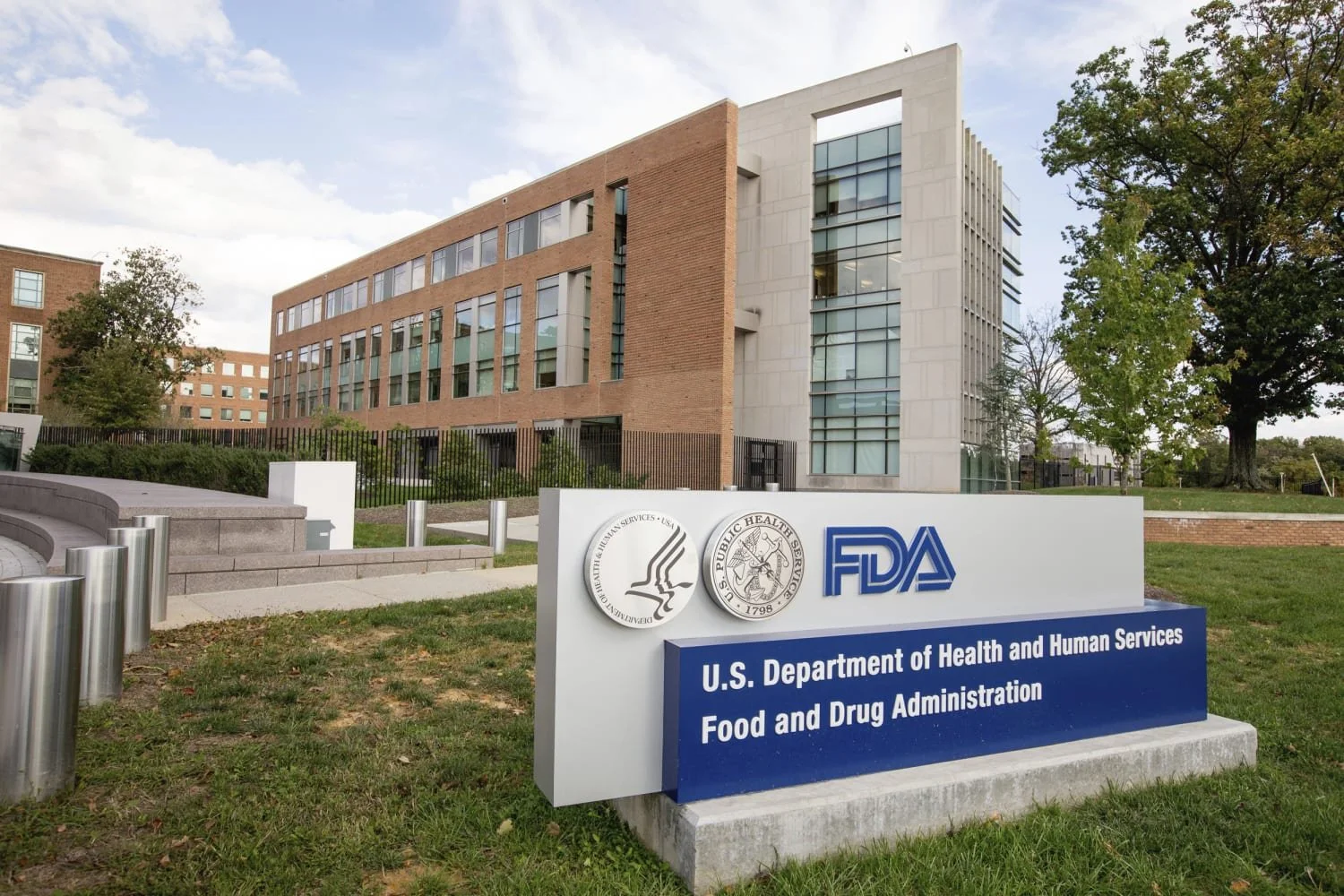
The Recurrent Respiratory Papillomatosis Foundation (RRPF) is pleased to share significant news for the RRP community: the U.S. Food and Drug Administration (FDA) has granted accelerated approval to Voceryq® (doruxapapogene ralaplasmid and lalikinogene sifuplasmid-gxfd) for the treatment of adults with recurrent respiratory papillomatosis (RRP). This marks the second FDA-approved therapy for RRP and the first plasmid DNA-based immunotherapy ever approved in the United States.
For patients who have spent years navigating repeated surgeries and the uncertainty of disease recurrence, this approval represents another important milestone in the evolution of RRP treatment.
A Historic Moment for the RRP Community
Recurrent respiratory papillomatosis is a rare disease caused primarily by human papillomavirus (HPV) types 6 and 11. The disease leads to the formation of papillomas, or wart-like growths, within the airway, most commonly affecting the larynx and vocal cords. These growths can cause hoarseness, chronic cough, voice changes, and, in severe cases, airway obstruction and respiratory complications.
Although surgery remains the cornerstone of treatment for many patients, surgery does not eliminate the underlying HPV infection. As a result, papillomas often recur, requiring repeated procedures over many years and sometimes throughout a patient's lifetime.
The approval of Voceryq is significant because it represents a fundamentally different approach. Rather than simply removing papillomas after they develop, the therapy is designed to help the immune system recognize and attack HPV-infected cells responsible for the disease.
What Is Voceryq?
Voceryq is a recombinant plasmid DNA-based immunotherapy. The treatment contains two plasmids, small circular pieces of DNA originally derived from bacteria. One plasmid contains genetic instructions related to HPV proteins, while the second contains instructions for an immune-stimulating molecule known as interleukin-12 (IL-12).
The goal of the therapy is to stimulate the body's immune system to mount a targeted response against cells infected with HPV types 6 and 11, the two HPV strains responsible for the vast majority of RRP cases.
Voceryq is administered by intramuscular injection using the CELLECTRA® 5PSP device. Following injection, the device uses electroporation, a technique that delivers brief electrical pulses to temporarily create openings in cell membranes, allowing the plasmid DNA to enter cells more effectively.
FDA Highlights Potential to Reduce Surgical Burden
One of the most important themes in the RRP community over the past several decades has been the need to reduce the frequency of surgeries.
In announcing the approval, Karim Mikhail, Director of the FDA's Center for Biologics Evaluation and Research (CBER), emphasized the significance of a treatment designed to address the underlying cause of disease.
“Adults living with recurrent respiratory papillomatosis often face an exhausting and relentless cycle of repeated surgeries, managing their disease, but never truly escaping it. Today’s approval represents a meaningful scientific breakthrough: a plasmid DNA-based immunotherapy that harnesses the body’s own immune system to fight the underlying cause of RRP. For patients, that could mean fewer surgeries, fewer disruptions, and more time living their lives on their own terms.”
For the RRP community, the possibility of reducing surgical burden has long been viewed as one of the most meaningful treatment outcomes. Every avoided surgery can mean less disruption to work, school, family life, recovery time, and long-term vocal function.
Understanding Accelerated Approval
The FDA approved Voceryq through its Accelerated Approval Program. This pathway is designed for serious or life-threatening conditions where a treatment demonstrates an effect on a surrogate or intermediate clinical endpoint that is reasonably likely to predict clinical benefit.
In the case of RRP, the FDA based its decision on clinical trial evidence showing that Voceryq reduced the frequency of surgical procedures needed to remove papillomas. Because repeated surgery is one of the most significant burdens faced by patients, reducing surgical frequency is considered a meaningful intermediate clinical endpoint.
As part of the accelerated approval process, the manufacturer will be required to conduct additional post-approval studies to further verify and describe the therapy's long-term clinical benefit.
What Did the Clinical Trial Show?
The safety and effectiveness of Voceryq were evaluated in an open-label, multicenter clinical trial involving 32 adults with recurrent respiratory papillomatosis. Eligible participants had undergone at least two surgeries within the previous 12 months and had a scheduled surgery at the time they entered the study.
Among the 26 patients who had experienced at least three baseline surgeries before treatment:
7 patients (27%) required no surgical intervention during the first year after treatment.
Participants demonstrated reductions in the need for surgical procedures following therapy.
While not every patient achieved complete freedom from surgery, these results were sufficient for the FDA to conclude that the therapy demonstrated meaningful activity in reducing surgical burden.
Safety Information
As with any treatment, Voceryq has potential side effects.
The most commonly reported adverse reactions included:
Injection site reactions
Headache
Fatigue
Hypertension (high blood pressure)
Nausea
Dizziness
Because the therapy utilizes electroporation technology, some patients may also experience:
Brief muscle contractions
Temporary bleeding at the injection site
Lightheadedness
Anxiety
Skin redness
Injection site pain
Temporary laboratory changes involving creatine phosphokinase levels
Patients should discuss the risks and benefits of any therapy with their healthcare providers.
Additional FDA Designations Reflect the Need for New Treatments
Prior to approval, Voceryq received both Breakthrough Therapy Designation and Orphan Drug Designation from the FDA. These programs are intended to encourage development of treatments for serious diseases and rare conditions where unmet medical needs exist.
The designations underscore what the RRP community has known for years: patients urgently need more treatment options beyond repeated surgery.
What This Means for the Future of RRP
Today's approval is significant not only because it introduces a new therapy, but because it reflects how far the field has advanced.
For decades, RRP treatment centered almost exclusively on surgical management. More recently, researchers, clinicians, patient advocates, and industry partners have worked to develop therapies that target the underlying biology of the disease.
The approval of Voceryq demonstrates that innovation in RRP is accelerating.
While additional studies will help define the long-term role of this therapy, today's announcement offers hope that patients may increasingly have access to treatments that do more than manage symptoms and recurrence.
For many adults living with RRP, fewer surgeries can mean fewer hospital visits, fewer missed life events, reduced healthcare burden, and improved quality of life.
A Milestone Worth Celebrating
For a rare disease community that has spent decades advocating for research, awareness, and treatment innovation, the approval of Voceryq is a milestone.
It is also a reminder that progress happens when patients, caregivers, clinicians, researchers, advocacy organizations, regulators, and industry work together toward a common goal.
The RRPF will continue to follow developments related to Voceryq and other emerging therapies as researchers work toward a future with more treatment options and better outcomes for everyone affected by recurrent respiratory papillomatosis.
Key Takeaways
The FDA has granted accelerated approval to Voceryq® for adults with recurrent respiratory papillomatosis (RRP).
Voceryq is the first plasmid DNA-based immunotherapy approved in the United States.
The therapy is designed to stimulate an immune response against HPV types 6 and 11, the primary causes of RRP.
Clinical trial data showed reductions in surgical burden, with 27% of eligible participants requiring no surgery during the first year after treatment.
The FDA granted approval through the Accelerated Approval Program and requires additional confirmatory studies.
Voceryq previously received Breakthrough Therapy and Orphan Drug designations.
The approval represents an important new treatment option for adults living with RRP.
Frequently Asked Questions
What is Voceryq?
Voceryq® (doruxapapogene ralaplasmid and lalikinogene sifuplasmid-gxfd) is an FDA-approved plasmid DNA-based immunotherapy for adults with recurrent respiratory papillomatosis.
How does Voceryq work?
The therapy is designed to stimulate the immune system to recognize and attack cells infected with HPV types 6 and 11, the viruses most commonly responsible for RRP.
Is Voceryq a cure for RRP?
The FDA approval does not indicate that Voceryq is a cure. It was approved based on evidence showing a reduction in surgical burden, and additional studies are required to confirm long-term clinical benefit.
Who is eligible for Voceryq?
Voceryq is approved for adults with recurrent respiratory papillomatosis. Patients should consult their healthcare provider to determine whether the therapy is appropriate for their individual circumstances.
Why is this approval important?
This approval provides a new treatment option for adults living with RRP and represents the first FDA-approved plasmid DNA-based immunotherapy in the United States.