When RRP Spreads to the Lungs: Understanding a Rare and Severe Adult-Onset Case
Original Study Published October 7, 2025
Study Authors: Abhir Nainani, Chui Lyn Leong, Samar Ojaimi, Ignatius Rudd, Albert Yin, Paul Paddle, Simon Knight, Tracy Leong
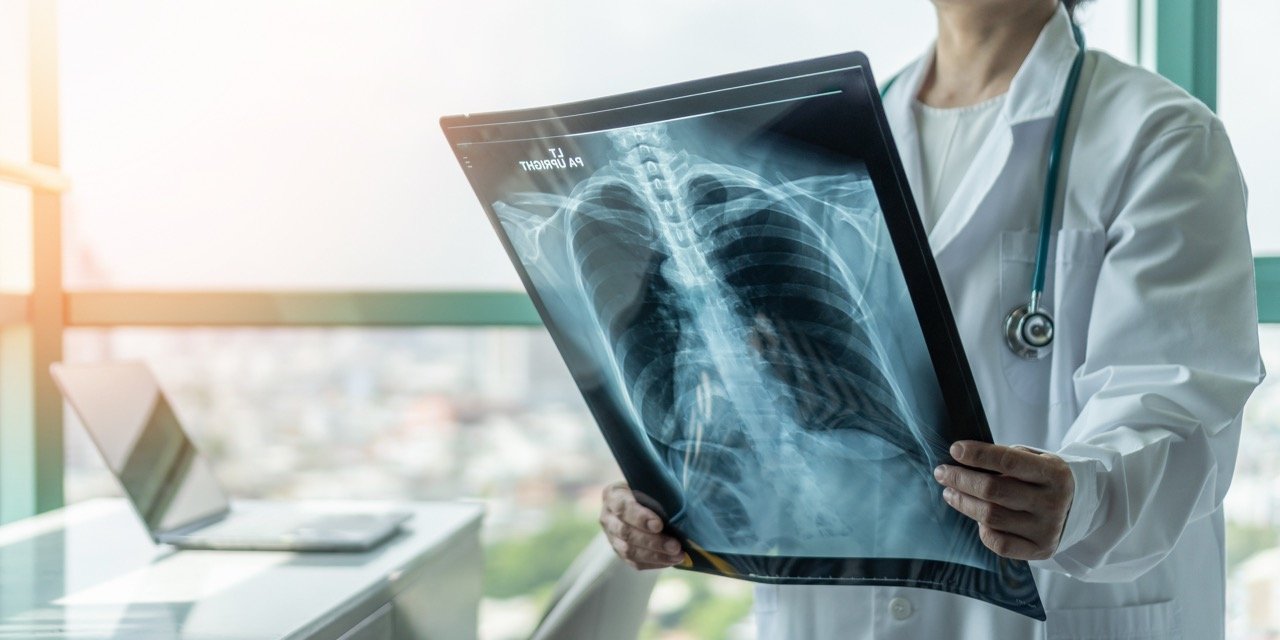
Most patients with recurrent respiratory papillomatosis (RRP) experience disease affecting the upper airway, particularly the larynx (voice box), trachea, and surrounding respiratory structures. While these locations can present significant challenges, spread into the lungs themselves is extraordinarily uncommon.
When pulmonary dissemination occurs, however, it represents one of the most serious manifestations of RRP. Lung involvement can lead to progressive respiratory complications, create diagnostic uncertainty, and present difficult treatment decisions for both patients and healthcare providers.
A case report published in 2025 documents a particularly challenging example of adult-onset recurrent respiratory papillomatosis that progressed into the lung tissue despite treatment with systemic bevacizumab. Ultimately, the patient required a lobectomy, a major surgical procedure involving removal of part of the lung.
Although case reports describe only a single patient and cannot establish broad treatment recommendations, they provide valuable insights into rare complications that may otherwise go unrecognized.
Study Abstract
Recurrent respiratory papillomatosis (RRP) commonly affects the upper airways, and lung parenchymal involvement is extremely rare. We present a case of adult-onset laryngotracheal RRP with lung parenchymal involvement that progressed despite systemic bevacizumab and ultimately required a left lower lobectomy. Histological features were characteristic of a squamous papilloma. Unusually, parenchymal involvement was present, with solid intra-alveolar nests cradled by preserved alveolar septa. Cytologic atypia and keratinisation were present; however, the absence of stromal desmoplasia and invasion precluded a diagnosis of squamous cell carcinoma and made overall classification challenging in this case. This case highlights the complexity of managing RRP with pulmonary involvement, particularly when disease progression persists despite systemic therapy such as systemic bevacizumab.
RRP Task Force Lay Summary
This case report describes a rare and aggressive instance where the disease spread from the upper airway into the lung tissue of an adult. The methods involved treating the patient with systemic bevacizumab, an intravenous medication, to try and halt the spread. However, the findings revealed that the lung growths continued to progress despite this intensive medical therapy. Consequently, the patient required a lobectomy, a major surgery to remove a portion of the lung. Detailed laboratory analysis of the lung tissue showed unusual cell clusters that initially mimicked cancer, though they were ultimately confirmed as benign. This case is significant because it highlights that pulmonary spread remains one of the most severe and difficult-to-manage complications of the condition. It also demonstrates that while systemic bevacizumab is often effective, it may not always stop disease progression in the lungs, potentially necessitating invasive surgery. This underscores the complexity of managing advanced cases and the importance of close monitoring for lung involvement.
What Is Pulmonary Dissemination in RRP?
Recurrent respiratory papillomatosis most commonly affects the upper respiratory tract, especially:
The larynx
The vocal folds
The trachea
The bronchi
In rare cases, papillomas can spread beyond these locations and involve the lung parenchyma, the functional tissue of the lungs responsible for gas exchange.
This phenomenon is known as pulmonary dissemination or pulmonary involvement.
Although uncommon, pulmonary RRP is considered one of the most severe forms of the disease because it can:
Cause progressive lung damage
Increase respiratory symptoms
Complicate treatment decisions
Be associated with significant morbidity
Occasionally undergo malignant transformation in some patients
Because pulmonary RRP is rare, much of the medical literature consists of case reports and small patient series rather than large clinical trials.
Understanding the Patient's Disease Course
The patient described in this report had adult-onset laryngotracheal RRP, meaning disease initially affected the larynx and trachea.
At some point, the disease extended into the lung tissue itself.
This is noteworthy because most RRP remains confined to the upper airway.
Once pulmonary involvement was identified, physicians pursued treatment with systemic bevacizumab, an intravenous medication that has become an increasingly important therapy for some patients with severe RRP.
Despite treatment, however, the disease continued to progress within the lung.
This progression ultimately led clinicians to recommend surgical removal of the affected lung segment.
What Is Systemic Bevacizumab?
Bevacizumab is a medication that targets vascular endothelial growth factor (VEGF), a protein involved in blood vessel formation.
In RRP, bevacizumab has emerged as one of the most promising adjunctive therapies for patients with:
Frequent surgeries
Extensive disease burden
Airway involvement
Aggressive disease progression
Many published studies have reported meaningful reductions in:
Disease severity
Surgical frequency
Papilloma growth
However, like all therapies, bevacizumab does not work equally well for every patient.
This case demonstrates that some forms of advanced pulmonary disease may continue progressing despite treatment.
Why Was a Lobectomy Necessary?
A lobectomy is a surgical procedure that removes one of the lobes of the lung.
The right lung contains three lobes, while the left lung contains two.
In this case, the patient ultimately underwent a:
Left lower lobectomy
This procedure is generally reserved for situations where disease cannot be adequately controlled through less invasive measures.
Potential reasons for considering a lobectomy include:
Progressive disease growth
Significant symptoms
Preservation of remaining lung function
Diagnostic uncertainty
Concern about possible malignant transformation
The need for a lobectomy underscores the seriousness of pulmonary RRP when standard management strategies are unsuccessful.
An Unusual Pathology Finding
One of the most fascinating aspects of this case involved the microscopic examination of the lung tissue after surgery.
Pathologists observed findings that initially raised concern because they resembled features sometimes associated with cancer.
The tissue demonstrated:
Cytologic atypia
Keratinization
Solid intra-alveolar nests
These characteristics can occasionally resemble squamous cell carcinoma under the microscope.
However, the investigators found important features that argued against a cancer diagnosis.
Specifically, they noted:
Preserved alveolar architecture
No stromal desmoplasia
No invasive growth pattern
Because these key hallmarks of malignancy were absent, the lesion was ultimately classified as benign papillomatous disease rather than squamous cell carcinoma.
Why Is This Important?
Patients with pulmonary RRP sometimes worry about whether lung lesions represent cancer.
Although malignant transformation can occur in a minority of cases, many pulmonary lesions remain benign.
This report highlights how difficult that distinction can sometimes be.
It also demonstrates the critical role of expert pathology review in determining:
Whether disease remains benign
Whether malignant transformation has occurred
Which treatment options are most appropriate
Accurate diagnosis directly influences both prognosis and management decisions.
What Does This Study Tell Us About Pulmonary RRP?
Several important lessons emerge from this case.
Pulmonary RRP Can Behave Differently
Disease involving the lungs may not respond the same way as disease confined to the upper airway.
This reinforces the need for individualized treatment planning.
Bevacizumab Is Not Universally Effective
Systemic bevacizumab has transformed care for many patients with severe RRP.
However, this report reminds us that treatment responses can vary.
Some patients may experience:
Significant improvement
Disease stabilization
Reduced surgical burden
Others may continue to have progressive disease despite therapy.
Surgery Remains an Important Option
Even as medical therapies continue to advance, surgery remains an essential component of RRP management.
For select patients with advanced pulmonary disease, surgical intervention may still be necessary.
Long-Term Monitoring Is Critical
Pulmonary involvement can be difficult to detect in its early stages.
Patients with extensive or longstanding disease may benefit from ongoing monitoring when clinically appropriate.
How Common Is Lung Involvement in RRP?
Pulmonary dissemination remains uncommon.
Most patients with recurrent respiratory papillomatosis never develop disease within the lung tissue.
When pulmonary spread does occur, it is generally considered a severe manifestation that warrants careful evaluation and management by experienced multidisciplinary teams.
These teams may include:
Otolaryngologists (ENT specialists)
Pulmonologists
Thoracic surgeons
Radiologists
Pathologists
Infectious disease specialists
Because pulmonary RRP is rare, treatment approaches often require highly individualized decision-making.
Implications for Patients and Families
For most individuals living with RRP, this case should not be viewed as representative of the typical disease course.
Pulmonary dissemination remains rare.
However, the report provides valuable insight into one of the most serious complications associated with RRP and highlights the importance of:
Regular follow-up care
Prompt evaluation of new respiratory symptoms
Ongoing communication with the medical team
Awareness of evolving treatment options
The case also illustrates that advanced disease can require multiple treatment approaches, including medication, surgery, and specialized pathology review.
Key Takeaways
Pulmonary dissemination is one of the rarest and most severe manifestations of recurrent respiratory papillomatosis.
This case involved adult-onset laryngotracheal RRP that spread into lung tissue.
Disease progression continued despite treatment with systemic bevacizumab.
The patient ultimately required a left lower lobectomy.
Pathology findings initially resembled cancer but were ultimately determined to represent benign papillomatous disease.
The report highlights the complexity of diagnosing and managing pulmonary RRP.
While systemic bevacizumab is often beneficial, some patients may continue to experience disease progression.
Close monitoring remains important when pulmonary involvement is present.
Frequently Asked Questions
Can recurrent respiratory papillomatosis spread to the lungs?
Yes, but it is rare. Most RRP remains confined to the upper airway. Pulmonary dissemination is considered an uncommon but serious complication.
Is pulmonary RRP cancer?
Not necessarily. Pulmonary RRP is typically benign, although distinguishing it from cancer can sometimes be challenging. In rare cases, malignant transformation can occur.
What is a lobectomy?
A lobectomy is a surgical procedure that removes one lobe of the lung. It may be considered when disease cannot be controlled through other treatments.
Does bevacizumab always work for RRP?
No. Many patients benefit from bevacizumab, but treatment responses vary. Some patients may continue to experience disease progression despite therapy.
Why is this case important?
This report highlights a rare form of advanced RRP, demonstrates the challenges of diagnosing pulmonary lesions, and underscores the need for ongoing research into treatment options for severe disease.